Apokoronas fights to save historic cooperative buildings from auction
The Apokoronas municipal council has taken a firm stand against the looming forced sale of one of the area's most historically significant properties. In a unanimous vote, councillors agreed to pursue every legal avenue available — including a formal request to suspend the auction — to prevent the buildings of the former Agricultural Cooperative of Apokoronas-Sfakia from passing into private hands.
What is this property?
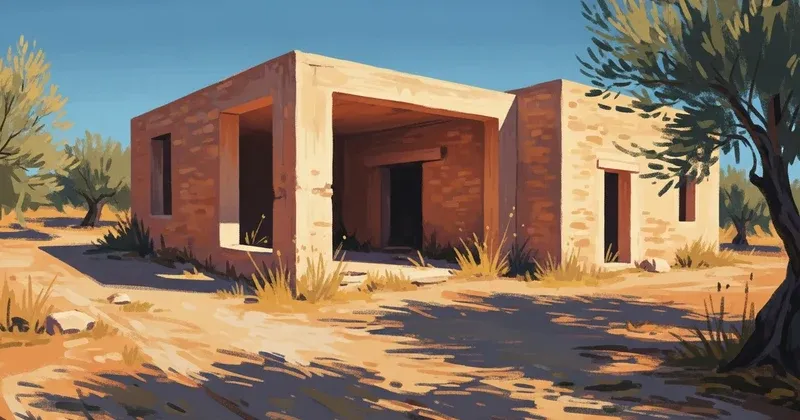
The buildings in question once served as the home of the Agricultural Cooperative that united farmers across Apokoronas and the Sfakia region. They were not built with private investment capital. They were funded by the contributions, sacrifices, and hard labour of generations of local farmers who believed in working together. For that reason, local authorities argue, they represent far more than bricks and mortar — they are a tangible piece of the community's shared history.
Like many former cooperative properties across Greece, the buildings now face forced auction as a consequence of the debts left behind when the cooperative dissolved — a process that critics say strips rural communities of assets they collectively created.
What has the council decided?
On the proposal of Mayor Charalampos Koukianakis, the council has authorised two parallel courses of action: filing a request to suspend the auction proceedings, and pursuing any further legal steps that may be available. The aim is to buy enough time for a public body to participate properly in the purchase process.
That public body is already identified: DEYΑ Apokoronas, the local water and sewerage authority, has expressed a clear intention to acquire the property. Plans include housing DEYΑ's administrative offices there and creating a modern management centre that would improve water supply, sewerage, and water resource protection services for residents across the municipality for decades to come.
What does the mayor say?
Mayor Koukianakis was emphatic that this fight is about more than a building. "Today we are not simply defending a property," he said. "We are defending the history of Apokoronas. The sweat of the people who believed in cooperation, who paid from what little they had, and who created wealth to serve society — not the interests of the moment."
He also turned his criticism toward the state, arguing that Greece lacks adequate mechanisms to protect historical cooperative assets from being permanently lost to local communities through liquidation processes.
What does this mean for local residents?
In the short term, the council's decision means the municipality will actively resist the auction rather than watch passively. If the legal challenge succeeds in delaying proceedings and DEYΑ is able to purchase the property, residents could benefit directly: a new administrative hub for water and sewerage services in the area would mean easier access to those services for years to come.
The council has framed this not just as a legal manoeuvre but as a statement of principle — that assets built through collective effort belong to the communities that built them, and that responsibility to future generations outweighs any political cost.