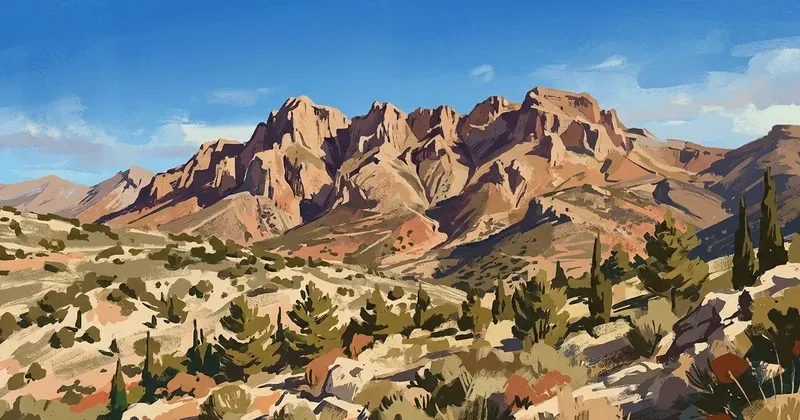
Apokoronas Mayor Urges PM to Personally Block Wind Farm in the White Mountains
A forceful open letter from Apokoronas Mayor Charalampos Koukianakis to Prime Minister Kyriakos Mitsotakis has put one of Crete's most scenic mountain areas at the centre of a national debate about renewable energy and landscape protection. Writing on October 12, 2026, Koukianakis calls on the prime minister to step in and halt the environmental licensing process for a proposed 52.8 MW wind farm near Asi Gonia — a village in the White Mountains with deep historical roots and exceptional natural surroundings.
The Project and Where It Stands
On October 7, 2026, the Environmental Impact Assessment for the wind farm was published and the public consultation period began. The proposed site lies in the hills above Asi Gonia, in the broader area that also encompasses Lake Kournas — the only natural freshwater lake in Crete — and the Azilaka forest, both considered vital parts of the Apokoronas natural landscape.
The mayor stresses that this wind farm is not the only energy project bearing down on the region. The planned routing of a high-voltage power line from Chania to Damasta also passes through the same area, raising concerns about the combined, cumulative impact of multiple infrastructure projects on a single sensitive environment.
A Unanimous Vote Against
The Apokoronas municipal council did not wait. An extraordinary session was convened, and councillors voted unanimously to oppose the wind farm. The municipality's position, as stated by the mayor, rests on three pillars: protecting the natural environment, preserving the character of the area, and safeguarding the quality of life of local residents.
A Personal Challenge to the Prime Minister
What gives the letter its particular weight is the personal dimension Koukianakis introduces. He reminds Mitsotakis that his late father, Konstantinos Mitsotakis, had a documented love for the White Mountains and the Asi Gonia area specifically. And he quotes the prime minister's own words: in January 2022, at the launch of the "Apatita Vouna" (Untouched Mountains) initiative, Mitsotakis spoke publicly about hiking with his father in the White Mountains and about the importance of keeping them protected. In July 2025, he reiterated that while renewable energy is necessary, it should not be built everywhere, and that the burden on the landscape could become excessive.
"How will we justify to the next generations that we declared the protection of the mountains, but did not exhaust every possibility to protect yet another precious mountain area of Crete?" the mayor asks.
What Is at Risk
The mayor sets out in detail what could be lost if the project proceeds:
- Wildlife and biodiversity: the area is home to sensitive ecosystems and important bird populations
- Water resources: including Lake Kournas
- Forest cover: particularly the Azilaka forest
- Landscape and cultural heritage: Asi Gonia is historically associated with fighters from the Cretan resistance
- Tourism and local economy: dependent on the unspoiled natural character of the area
Koukianakis argues that projects cannot be assessed in isolation. The law, he says, requires an examination of cumulative impacts — all the interventions together, their combined effect on ecosystems, biodiversity, water, and the livelihoods of the people who live there.
The Demand: Withdraw the Project and Visit the Area
The mayor closes with two concrete requests. First, he calls on the prime minister to instruct the relevant ministries and authorities to immediately withdraw the planned wind energy project. Second, noting that Mitsotakis was in Chania on October 12, he personally invites him to visit the threatened area alongside the Apokoronas municipal authority, so that he can see first-hand what is at stake before any decisions become irreversible.
"The green transition cannot become an alibi for every development site," Koukianakis writes. "Clean energy production is necessary, but where it is built must respect ecological limits, the landscape, cultural heritage, and the communities that are asked to bear the consequences."